English
 Arabic
 French
 Spanish
 Portuguese
 Deutsch
 Turkish
 Dutch
Dutch
 Italiano
 Russian
 Romaian
 Portuguese (Brazil)
 Greek
Greek
Trending on BookTok Frozen Heart by Neva Altaj
Shopping |
2026-06-26 04:55:10
 Advertise With Us
 About Us
 Terms And Conditions
 Privacy Policy
See All
Privacy Policy
See All

Upgrade to Pro
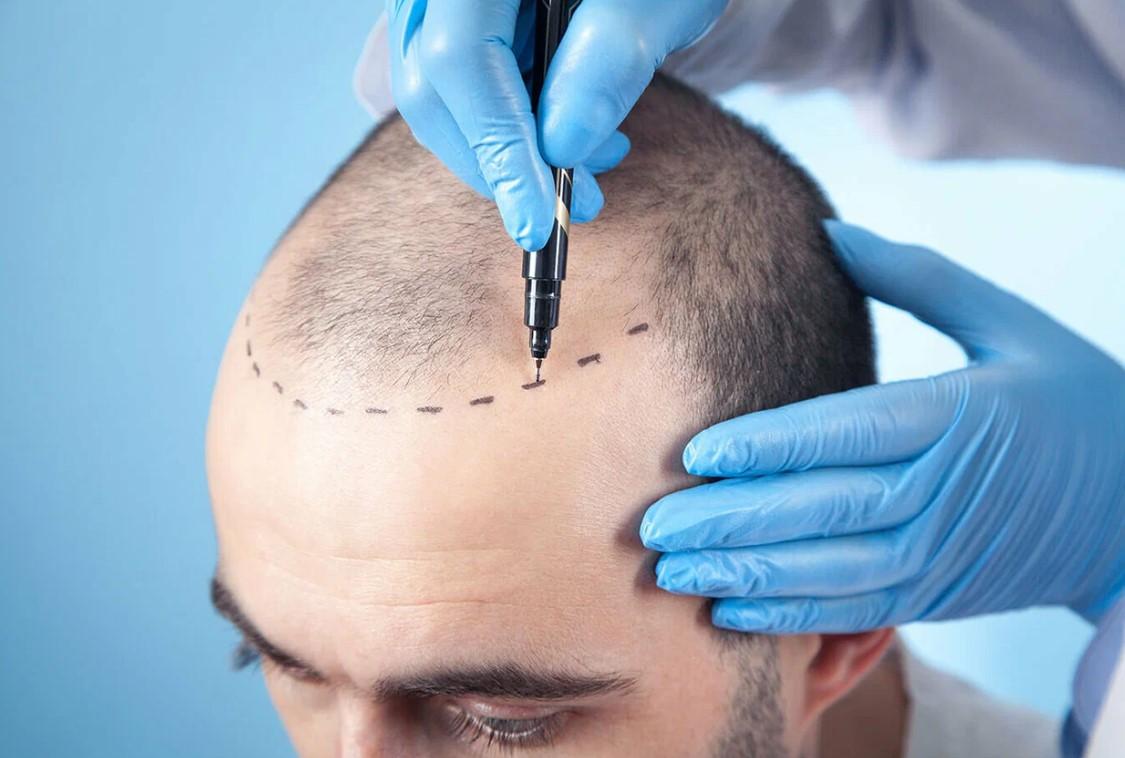
Maintaining a consistent workout routine is highly beneficial for your health, but immediately following a hair transplant, the gym becomes your primary risk zone.
The threats in the early weeks are very specific: sweat can soften healing crusts and introduce bacteria into fresh micro-incisions, elevated blood pressure can literally force newly placed grafts out of their channels, and straining or bending over sends a sudden rush of pressure straight to your scalp.
Hair transplant in Riyadh offers a long-term solution for people seeking to restore natural hair growth and improve the appearance of thinning or balding areas.
To secure a maximum graft survival rate, you must treat your recovery like a phased athletic rehabilitation program. Here is the safest month-by-month timeline for returning to physical activity.
Hair grafts require roughly 10 to 14 days to become permanently anchored into the scalp's blood supply. Before that mark, any major physical exertion can permanently ruin your results.
During the first week, your body needs to redirect all of its energy toward localized healing.
Permitted Activity: Light daily movement around the house or a short, incredibly gentle walk at a conversational pace.
Strictly Forbidden: Anything that raises your heart rate, causes you to breathe heavily, or prompts a single drop of sweat. No gym visits, no bodyweight exercises, and no brisk outdoor walking.
By the second week, external swelling has typically subsided, and the microscopic wounds around your grafts have closed over.
Permitted Activity: You can reintroduce light, low-impact cardiovascular training. Think of a relaxed session on a stationary exercise bike or a slow treadmill walk at zero incline. Keep your sessions short (under 20–30 minutes) and highly controlled.
Strictly Forbidden: Heavy lifting, running, or any high-intensity interval training (HIIT) that causes heavy facial flushing or heavy sweating.
At the 14-day mark, your grafts are safely fused beneath the skin. However, the underlying tissue and the donor zone are still recovering from surgical trauma.
Permitted Activity: You can gradually return to the gym using light to moderate resistance. Focus on isolated machine weights rather than compound free weights to prevent full-body straining. Light jogging at an easy pace is also acceptable.
Strictly Forbidden: Heavy powerlifting, intense core workouts that require holding your breath under load (Valsalva maneuver), and inversions (such as downward dog in yoga) where your head drops completely below your heart.
By week 4 to 6, your scalp has fully healed over.
Permitted Activity: You can safely resume your maximum-intensity weightlifting routines, heavy compound lifts, sprinting, and high-exertion cardio.
The Contact Sports Exception: If you participate in high-impact contact sports (such as boxing, martial arts, football, or basketball), you must wait a minimum of 3 months or obtain explicit clearance from your surgeon. A direct physical blow or heavy friction to the scalp can still damage mature follicles.
| Sport / Exercise Type | Safe Start Window | Primary Clinical Risk |
| Leisurely Walking | Day 2 | None (keep pace relaxed) |
| Stationary Cycling | Day 8 | Mild sweating (keep a fan nearby) |
| Light Jogging | Day 14 | Minor impact vibrations on the scalp |
| Light Weightlifting | Day 14 | Initial spikes in blood pressure |
| Swimming (Pool/Sea) | 1 Month | Chlorine irritation / bacterial infection |
| Heavy Powerlifting | 1 Month | Severe intracranial pressure / graft bleeding |
| Contact Sports | 3 Months | Direct physical trauma and friction |
If you are recovering and training in Riyadh, the intense external environment introduces unique challenges that require tactical adjustments to your workout routine:
Riyadh’s intense summer heat means that even walking from your car to an indoor gym can trigger sudden sweating. During the first month, strictly avoid any outdoor workouts. Confine all exercise to heavily air-conditioned, climate-controlled indoor environments. If you feel a bead of sweat forming on your forehead, stop the exercise immediately, step into a cool zone, and gently pat (never rub or wipe) your face with a clean towel.
Newly healing skin in both the donor and recipient zones is highly sensitive to ultraviolet (UV) rays. Direct sun exposure can cause permanent hyperpigmentation (dark scarring) and damage vulnerable hair roots. If you are walking outdoors for light exercise, completely avoid peak sun hours. Schedule your walks in the early morning or late evening after sunset.
If you are an avid outdoor cyclist, motorcyclist, or if you regularly wear traditional headwear, note that tight gear causes dangerous friction.
Critical Rule: No close-fitting helmets, tight baseball caps, or tight shemaghs/oghal sets should touch your recipient zone for at least 10 to 14 days.
When you are cleared to return to outdoor cycling or motorcycling after week 3, place a soft, loose silk or surgical band under your helmet to prevent the structural lining from rubbing directly against your new hair density.
Taking a short break from maximum-intensity training is a small price to pay to protect a permanent investment in your appearance. By keeping your heart rate low for the first week, strictly avoiding heavy sweating and heavy compound lifting for 14 days, and leveraging climate-controlled indoor gyms to dodge Riyadh’s intense ambient heat, you can ensure a flawless, high-density follicle survival rate.