English
 Arabic
 French
 Spanish
 Portuguese
 Deutsch
 Turkish
 Dutch
Dutch
 Italiano
 Russian
 Romaian
 Portuguese (Brazil)
 Greek
Greek
EU Solar PV Energy Market Dynamics: Opportunities for Stakeholders
Other |
2026-06-17 09:03:30
 Advertise With Us
 About Us
 Terms And Conditions
 Privacy Policy
See All
Privacy Policy
See All

Upgrade to Pro
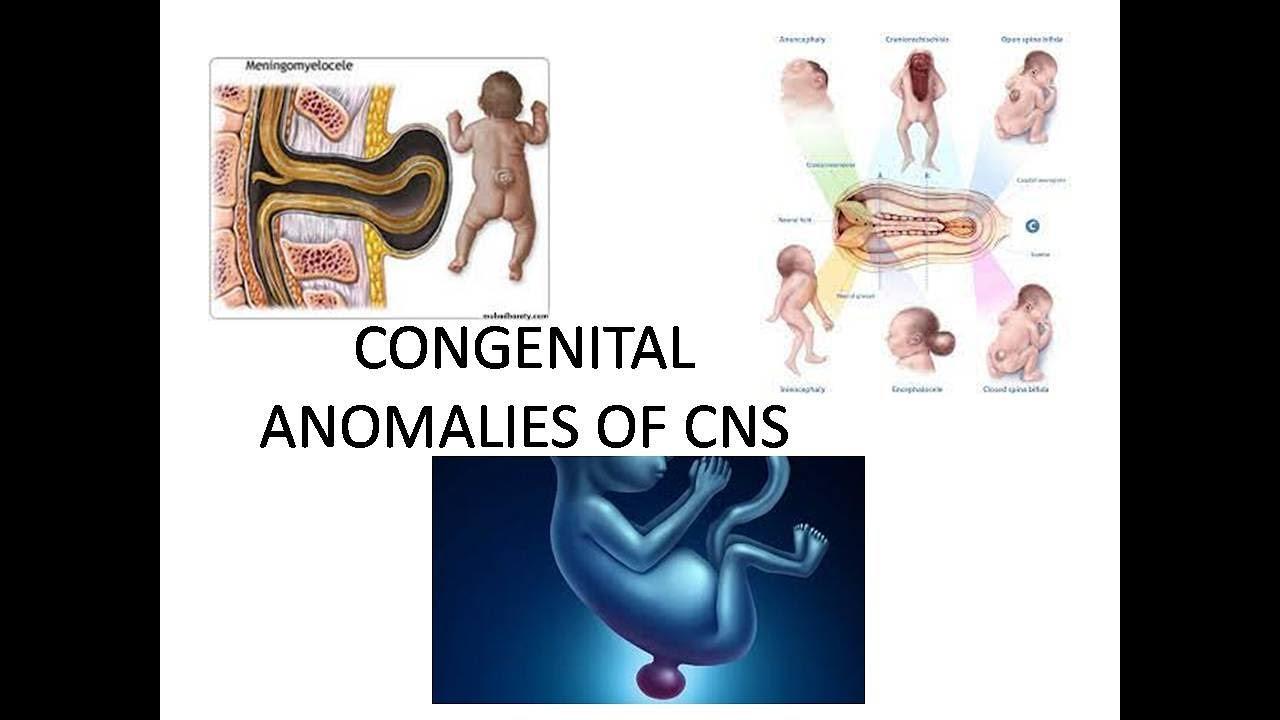
In Riyadh, the utilization of Antenatal Care (ANC) serves as the primary gateway for identifying congenital anomalies riyadh (CAs). Given that congenital anomalies are a leading cause of childhood morbidity and mortality in Saudi Arabia, the effectiveness of prenatal screening programs is a critical component of the capital's public health strategy.
Consistent and timely attendance at ANC clinics is directly correlated with higher rates of prenatal detection for major structural malformations.
Detection Rates: Studies at tertiary centers in Riyadh indicate that among women who attend antenatal ultrasound screening, the prenatal detection rate for congenital anomalies is approximately 70.6%.
The "Window of Detection": The majority of these prenatal diagnoses (roughly 90%) occur during the second trimester (22 weeks of gestation or later). This timing is crucial as it allows for comprehensive anatomical assessment, multidisciplinary counseling, and, in some instances, specialized fetal or neonatal interventions.
Screening Sensitivity: While the sensitivity of ultrasound for detecting malformations in low-risk populations can be moderate (17%–35%), it increases to over 90% in high-risk populations (e.g., those with a history of previous affected children or known genetic risks), emphasizing the importance of risk-stratified prenatal care.
While ANC services are widely available across the capital, achieving the World Health Organization (WHO) recommendation of at least eight contacts remains a challenge.
Utilization Disparities: National health surveys indicate that while the majority of women (around 80%) attend at least four ANC visits, only about 42% achieve the recommended eight contacts.
Factors Influencing Attendance: Utilization is influenced by a range of socio-demographic and enabling factors, including maternal age, employment status, and health literacy. Interestingly, some studies have noted that higher maternal education can be associated with different patterns of ANC engagement, sometimes reflecting a complex interaction between awareness and the perceived need for frequent visits in uncomplicated pregnancies.
Barriers to Care: Despite the robust infrastructure, barriers such as logistical challenges, varying perceptions of healthcare quality, and socioeconomic diversity can hinder consistent adherence to the full schedule of recommended prenatal visits.
The integration of quality ANC into the obstetric pathway is instrumental in improving neonatal health:
Reduced Complications: Regular ANC allows for the early identification and management of conditions that can exacerbate the impact of congenital anomalies, such as gestational diabetes, hypertension, and nutritional deficiencies (e.g., iron or folate deficiency).
Improved Survival: Timely detection allows for "planned delivery" at specialized centers. Infants diagnosed prenatally with complex conditions, such as congenital heart disease or neural tube defects, can be delivered in environments equipped with immediate neonatal intensive care and surgical support, which significantly lowers the risk of first-week mortality.
Family Preparedness: Prenatal diagnosis provides a critical opportunity for genetic counseling. This allows parents to prepare psychologically and practically for the care of a child with special needs, which is particularly vital in the context of the region's unique genetic landscape.
To bridge the gap between ANC attendance and optimal detection, health authorities in Riyadh are focusing on:
Standardized Screening Protocols: Enhancing the uniformity of ultrasound quality and screening criteria across both primary and tertiary healthcare facilities.
National Registry Implementation: Developing a "Birth Defect National Registry" to centralize surveillance data, which will help detect trends, identify clusters, and refine preventive plans.
Integrated Genomic Screening: Incorporating advanced molecular testing—such as cell-free fetal DNA analysis—alongside traditional ultrasound to improve the detection of chromosomal and inherited disorders early in pregnancy.
By optimizing the utilization of ANC services and ensuring consistent access to advanced screening technologies, Riyadh is working to improve the early detection of birth defects, thereby reducing the "diagnostic odyssey" for families and improving the long-term prognosis for affected children.
Would you like to focus on any specific type of congenital anomaly—such as cardiac or neural tube defects—and their particular detection pathways in Riyadh?