English
 Arabic
 French
 Spanish
 Portuguese
 Deutsch
 Turkish
 Dutch
Dutch
 Italiano
 Russian
 Romaian
 Portuguese (Brazil)
 Greek
Greek
In-Vehicle Payment Services Market: Innovations in Automotive FinTech
Other |
2026-07-10 10:06:48
 Advertise With Us
 About Us
 Terms And Conditions
 Политика конфиденциальности
Смотреть все
Политика конфиденциальности
Смотреть все

Обновить до Про
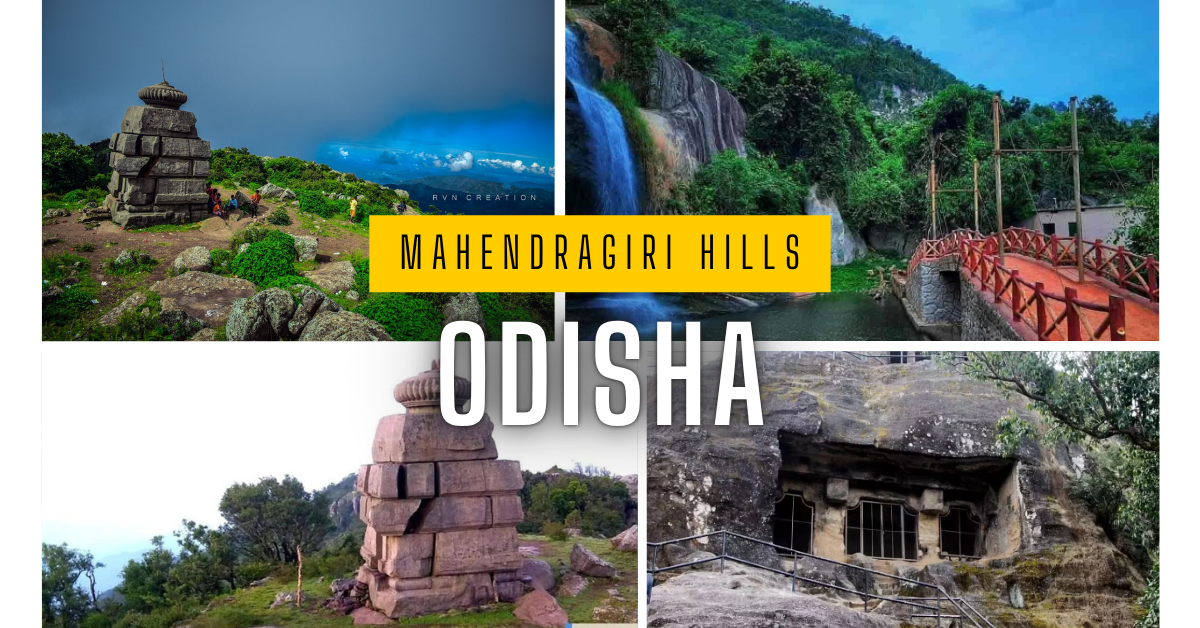
Some mountains are just beautiful, others are alive. Mahendragiri Hills Odisha definitely falls under category two. This old hill in the Gajapati district of the south of Odisha is a massive structure that rises to approximately 1,501 metres above sea level, and has been burdened by the myths, the quiet of the forest and the faith of many pilgrims who have trekked its rocky trails for generations.
So, if you have been looking for a pilgrimage that is not only spiritually fulfilling but also natural in essence, then Mahendragiri is what you are looking for. This guide will take you through all that you should know before putting on your trekking boots and starting the ascent.
The sacredness of Mahendragiri is derived from both Ramayana and Mahabharata, thus making it a unique pilgrimage place having the blendage of divine legends.
Mahendragiri is believed to be the abode of Lord Parashurama, the warrior-sage avatar of Lord Vishnu, who took this mountain as his penance after his legendary battles with gods and demons. Besides, it is here that Lord Rama got his divine bow, Vaishnava Dhanush, from Parashurama, the pivotal moment in the entire epic.
Local legends say that Pandavas spent their years of vanvas (forest exile) in Mahendragiri. It is thought that their mother Kunti stayed here during their long journey and that the Temple dedicated to her at the top of the temple has been a place of worship and devotion for centuries.
With a journey through bird-filled forest trails and fresh mountain air, you'll eventually arrive at the summit, where three amazing ancient temples lie quiet for centuries.
The Gokarneswara Temple or Kunti Temple is dedicated to Lord Shiva and is a close association with Kunti, who is believed to have worshipped here during her years of exile. The temple has a peaceful atmosphere and is home to an ancient Shiva linga, adding to its spiritual appeal as devotees pray to it.
After walking a few steps from the Gokarneswara Temple you will reach the Yudhishthira Temple, which is dedicated to the eldest Pandava who was devoted to truth and righteousness. Although small, the temple is sacred and provides a tranquil place for reflection and meditation for its visitors, while also affording them a view of the surrounding forest.
The Bhima Temple is thought to be the most ancient and historically important of the three ancient temples at Mahendragiri. This temple is dedicated to the great Bhima, local legends state that he built this temple during Pandavas' exile. The timeless presence of the shrine is enhanced by its weathered stones and simple architecture, which have withstood the tests of time.
The best time for pilgrims to visit Mahendragiri Hills Odisha is from December to May.
To enjoy the most colorful pilgrimage visit Mahendragiri during the Maha Shivaratri. Thousands of people from Odisha and Andhra Pradesh come here and chant "Har Har Mahadev" and the atmosphere is filled with devotion and the hills are packed with people. It is a highly recommended practice to bring water, and other necessities, as there will be a lot of people here and limited facilities will be provided.
October-March are the best times to visit Mahendragiri Temple Odisha for a serene and contemplative journey. Weather is cool and pleasant, forests are green after monsoon and morning mist over Eastern Ghats enhances the experience. It's best to avoid the summer months, as the heat can make the journey challenging.
In Mahendragiri hills, Odisha, you are not required to practice your spirituality. It just accepts you with forest trails, old stone and the kind of mountain silence that asks questions that are too loud to be heard in your daily life.
You will be either a serious pilgrim, hoping to receive the blessings of the temple of Mahendragiri, Odisha, or a curious visitor interested in the study of myth and landscape, and will come away with some very special experience, the temple having remained almost unchanged and better for it.
Bring only essentials, come up early and go with an open heart. The mountain will take care of the rest.
1. How do I reach Mahendragiri hills Odisha?
The nearest major town is Paralakhemundi, about 80 km away, well-connected by road and rail. From there, hire a local cab or auto to Mohana, the base village, and begin your trek from there.
2. How long is the trek to the Mahendragiri temple Odisha?
The trek covers approximately 6–8 kilometres and takes around 3–4 hours at a comfortable pace. Starting by 6 AM is strongly recommended to beat the heat and enjoy the forest trails at their most beautiful.
3. Are the ancient temples at Mahendragiri open throughout the year?
Yes, the temples remain open year-round, though the best experience is between October and March when the weather is pleasant and the forest is lush. During Maha Shivaratri, the site draws thousands of pilgrims in a deeply moving annual gathering.
4. Is the Mahendragiri trek suitable for beginners and elderly pilgrims?
The trail is moderately challenging with uneven rocky stretches. Reasonably fit beginners can manage it with proper footwear and pacing. Elderly pilgrims are advised to consult a doctor beforehand and consider hiring a local guide for support along the route.
5. What should I not miss at Mahendragiri hills Odisha?
Beyond the three ancient temples — Gokarneswara, Yudhishthira, and Bhima — don't miss the sweeping panoramic views of the Eastern Ghats from the summit. Early morning, when mist drifts across the valleys below, is a sight that stays with you long after you've descended.